The Ultimate Setup Guide for Your Ion Robot Av753 Series
The Ion Robot Av753 Series aims to bridge the gap between everyday convenience and thoughtful engineering for home cleaning. For buyers who want a reliable automated vacuum that integrates modern navigation with straightforward maintenance, the Av753 series often appears near the top of consideration lists. This guide offers an in-depth look at setting up, optimizing, and maintaining the Ion Robot Av753 Series, and helps readers decide whether it meets their household needs through practical use cases and objective analysis.
Introduction: What the Ion Robot Av753 Series Promises
The Av753 Series is marketed as a mid-range robot vacuum offering intelligent navigation, multi-surface cleaning, and a balance of battery life and suction power. Typical buyers are families with pets, busy professionals, and apartment dwellers who prioritize convenience. They typically care about reliable suction, smart mapping, low maintenance costs, and clear performance on hair, dust, and common debris.
This article explains how to get the most from the Av753 Series: initial unboxing and setup, configuration options, real-world performance expectations, maintenance, and a practical buying guide. The goal is to make setup painless and to highlight the adjustments that yield the best cleaning results for different home environments.
Unboxing and First Steps
When first opening the box, the Av753 Series usually includes the robot unit, a charging dock, a power adapter, a magnetic or virtual barrier strip (depending on the package), a spare filter or brush, and a quick-start guide. Before powering up, users should take a few preparatory steps to ensure a smooth first run.
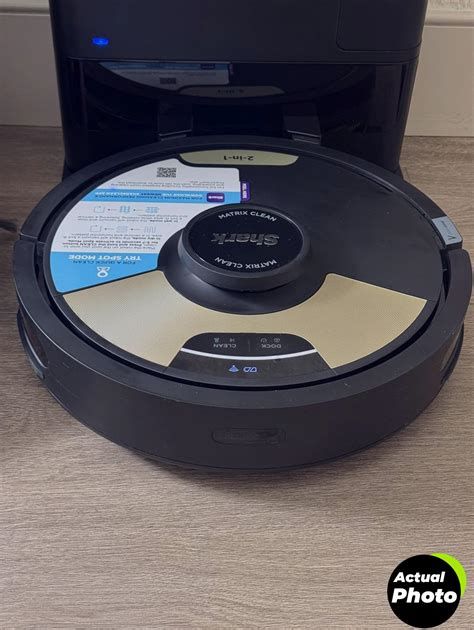
- Charge the base: Place the charging dock on a flat surface against a wall, leaving at least 0.5–1 meter clearance on either side so the robot can dock reliably.
- Inspect the floor: Remove loose cords, small objects, and rugs with unsecured fringes that can tangle brushes.
- Install filters and brushes: Confirm filters are seated and brushes clipped in place per the quick-start instructions.
- Initial full charge: Allow the robot to reach a full charge before the first cleaning cycle; this helps battery calibration and mapping accuracy.
Connecting and Configuring the App
The Av753 Series typically supports Wi-Fi and a companion smartphone app for scheduling, mapping, and firmware updates. The app is central to advanced features, so set it up before relying on autonomous scheduled runs.
- Download the companion app appropriate for the user’s mobile device (iOS or Android) and create an account if prompted.
- Connect the robot to the home Wi-Fi network; 2.4 GHz is usually required for reliable connectivity. Ensure the phone and robot are on the same network during pairing.
- Complete any available firmware updates. Firmware updates can improve navigation, add features, or fix issues found in early builds.
- Create or refine cleaning schedules, set cleaning modes (eco, standard, boost), and enable push notifications for job completion or maintenance reminders.
Mapping and Navigation: How to Optimize Performance
The Av753 Series commonly includes optical and infrared sensors that allow it to detect obstacles, edges, and floor transitions. If the model supports mapping, the first few runs are crucial to build an accurate map of the home.
- Run an uninterrupted mapping cycle. During the initial mapping run, keep doors open between rooms where full mapping is desired and avoid picking up the robot mid-cycle.
- Place virtual barriers or use the magnetic strip included to block areas like fragile decor, pet bowls, or stairs where the robot should not go.
- Refine no-go zones in the app (if available) rather than relying solely on physical barriers; virtual boundaries are easier to alter as furniture changes.
- Observe how the robot handles thresholds and rug edges — if it struggles with a particular transition, consider a temporary ramp or relocating rugs slightly.
Cleaning Performance: Real-World Use Cases
Understanding how the Av753 Series performs in practical scenarios helps buyers set realistic expectations.
Pet Hair and Allergens
For households with pets, the Av753’s brush design and suction profile matter most. The Av753 Series is effective at picking up surface pet hair on hard floors and low-pile rugs. Owners dealing with heavy shedding should plan on frequent bin emptying and filter checks. If the model uses a washable pre-filter plus a HEPA-style post-filter, that combination helps reduce airborne allergens — particularly useful for allergy sufferers who care about particle capture.
Hardwood and Tile Floors
On hard surfaces, the Av753 typically excels. Rolling brushes and side brushes sweep edges clean while suction handles fine dust efficiently. Its low-profile design enables it to pass under many furniture pieces, but users should check clearance under sofas and beds to ensure access.
Carpets and High-Pile Rugs
Performance on medium-pile carpets is usually acceptable, but high-pile rugs or shag carpeting can reduce efficiency. Buyers in homes with thick carpets should consider models with specialized carpet boost or stronger suction. The Av753’s ability to switch suction levels (if supported) can help, but it will likely run slower and use more battery on dense textiles.
Find top-rated Electronics products at great prices.
Shop Amazon →Large Homes and Multi-Room Flow
Battery life dictates how large an area the robot can cover before returning to charge. In larger homes, the Av753 can run incremental cleaning cycles room by room if it supports resume-from-dock functionality. For continuous, whole-home coverage, plan scheduled runs for different sections throughout the day.
Detailed Product Analysis
This section synthesizes the Av753 Series’ strengths and limitations in technical areas buyers care about.
Build and Design
The Av753 Series typically features a compact, low-profile chassis for under-furniture clearance, rubberized wheels for varied surfaces, and a central brush flanked by side sweepers. Build quality is solid for a mid-range robot, though plastic components will show wear over several years of regular use.
Suction, Brush System, and Filtration
Suction is balanced to deliver good debris pickup without excessive noise. The brush layout combines a main roller (or tangle-free roller in some configurations) and side brushes to sweep edges. Filtration varies by configuration; models with multi-stage filtration and HEPA-like media are preferable for allergy-conscious buyers.
Battery Life and Charging
Battery capacity typically provides between 60–120 minutes of runtime depending on mode and floor type. Runtime decreases with higher suction modes and on carpeted surfaces. The Av753 should return to its dock automatically when battery runs low; models that support partial recharge and resume are more useful for larger homes.
App Features and Smart Home Integration
App control offers scheduling, mode selection, and mapping. If the Av753 supports voice assistants or smart home platforms, the convenience of "start cleaning" voice commands is a plus. Buyers should confirm which voice ecosystems are supported and whether integration is limited to basic commands or extends to reporting and mapping control.
Noise Levels
Noise is a common concern. The Av753 sits in a moderate range: louder than an ultra-quiet entry-level unit in boost mode, but quieter than many high-suction upright vacuums. For daytime scheduled cleaning, noise rarely becomes disruptive; for overnight or nap-time cleaning, choose lower power modes.
Pros & Cons
- Pros
- Reliable navigation for mid-range robot pricing
- Good balance of suction and runtime for apartments and small-to-medium homes
- App-based scheduling and mapping (on supported models)
- Effective on hard floors and low-pile carpets
- Low-profile design reaches under many furniture pieces
- Cons
- Limited performance on very high-pile carpets
- Maintenance (filters, brushes) required frequently in homes with pets
- May struggle with very dark floors or certain reflective surfaces due to optical sensors
- Advanced smart-home integrations may be limited compared with premium rivals
Comparison Table: Ion Robot Av753 Series vs Typical Alternatives
| Feature | Ion Robot Av753 Series | Typical Entry-Level Robot | Premium Competitor |
|---|---|---|---|
| Navigation | Optical + sensors, mapping on supported models | Random or basic bump-and-go | LiDAR-based mapping with advanced room recognition |
| Suction Power | Moderate — good for hard floors and light carpets | Low — best for surface dust | High — strong carpet cleaning and deep pickup |
| Battery Life | 60–120 minutes depending on mode | 30–60 minutes | 90–180+ minutes with efficient route planning |
| Filtration | Multi-stage; HEPA-like options in some SKUs | Basic foam or cloth filters | True HEPA and sealed systems |
| Maintenance Cost | Moderate (filters, brushes replacement) | Low to moderate | Higher initial cost but long-term consumable availability |
| Price Range | Mid-range | Budget | High-end |
Buying Guide: What to Consider Before Choosing the Av753
Buyers should weigh features against household habits and priorities. Use the following checklist to determine fit.
1. Floor Types and Cleaning Needs
If the home is primarily hardwood or tile, the Av753 is well suited. For heavy carpeting or deep pile rugs, consider a model specifically rated for carpet cleaning or with stronger suction and brush-roll designs engineered to resist tangles.
2. Pets and Allergies
For pet owners, confirm whether the specific Av753 SKU includes a high-efficiency filter and tangle-resistant brush. Expect to empty the dustbin and check filters more often in multi-pet homes; consider buying replacement filters and brushes when purchasing the robot to avoid downtime.
Shop the latest Electronics picks on Amazon.
View Offers →3. Home Size and Battery Expectations
For larger homes, verify resume-and-return behavior and whether the robot supports segment cleaning (clean room-by-room). If whole-home cleaning in a single session is important, a model with longer runtime or faster mapping/navigation is preferable.
4. Maintenance and Consumables
Check availability and pricing of replacement filters, rollers, and side brushes. The overall cost of ownership includes consumable replacements every 3–12 months depending on usage intensity.
5. Smart Home and App Preferences
Decide whether app-based mapping, cloud storage of maps, and voice assistant integration are must-haves. Some users prefer local-only control for privacy; others value remote scheduling and status notifications. Confirm the Av753’s app capabilities align with personal preferences.
6. Noise Tolerance
Consider noise levels if the robot will be running during working hours or while residents are resting. Lower power modes reduce noise but also lower suction.
Tips for Long-Term Reliability and Best Results
- Empty the dustbin after every or every other run if the household includes shedding pets.
- Clean the main brush and side brushes weekly in high-use environments to prevent hair buildup.
- Replace filters every 3–6 months depending on airborne dust and allergy concerns.
- Keep firmware updated to benefit from navigation improvements and bug fixes.
- Use scheduled cleaning for specific rooms during times when the home is least occupied to reduce interruptions and improve mapping consistency.
Troubleshooting Common Issues
Robot Doesn't Dock Consistently
Ensure the dock has 0.5–1 meter clearance on both sides and that the floor in front of the dock is level. Clean the dock contacts both on the robot and the base. If Wi-Fi interference or firmware issues appear, a reboot and firmware check usually help.
Reduced Suction or Pickup
Inspect the dustbin and filter — a full or clogged bin reduces airflow and suction. Clean the main brush for hair wrap and ensure the suction inlet is clear of obstructions.
Robot Gets Stuck Frequently
Identify repeat trouble spots and add virtual barriers or move small obstacles. If thresholds or cables cause problems, temporarily use physical barriers or pens to train the map around those areas.
Conclusion
The Ion Robot Av753 Series is a pragmatic choice for buyers seeking an accessible, capable robot vacuum for everyday cleaning tasks. It delivers consistent performance on hard floors and light carpets, includes mapping and app-based controls in many SKUs, and keeps maintenance predictable for households with moderate cleaning demands. For pet owners or allergy sufferers, paying attention to filter quality and maintenance cadence markedly improves results. Ultimately, the Av753 is best for those who value convenience, steady performance, and straightforward setup over the most aggressive carpet deep-cleaning or the absolute highest-end smart-home integrations.